Search

Working for Illinois Caucus

House Downstate Democrats work for the good people of Illinois

Tag

010-Inoreader Saves

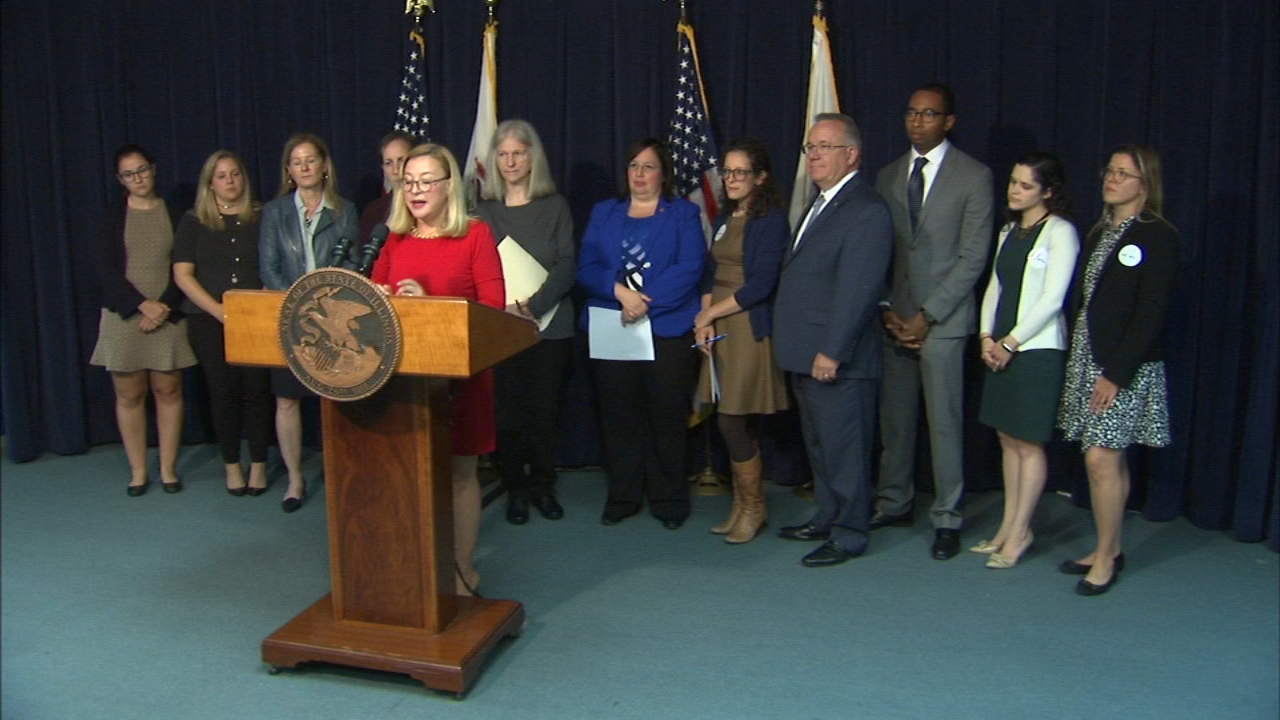
Lawmakers vow to override governor’s salary history bill veto

https://ift.tt/2N093xe

SPRINGFIELD, Ill. (WLS) —

Governor Bruce Rauner is under fire for his veto of a bill that would have tightened up the state’s equal pay law by prohibiting companies from asking someone salary history

Some Democratic lawmakers said that decision will cost the governor a lot of support come Election Day.

The governor vetoed a similar bill last year but this time used an amendatory veto to rewrite the bill.

HB4163 bill is intended to help women narrow the wage gap that pays them, on average in Illinois, 79 cents for every dollar a man earns. The governor’s veto was seen by some as a slap in the face.

"Governor Rauner, in vetoing this bill a second time in two years, has shown who he really is: an out of touch and failed governor who cares very little about the economic welfare of women and families in Illinois," said State Rep. Anna Moeller (D-43rd District), one of the bill’s sponsors.

She and other lawmakers vowed to override the governor’s veto in November.

In his veto message Rauner said, "I am committed to eliminating the gender wage gap and I strongly support wage equality. I noted in my prior veto message that Massachusetts already has established a best-in-the-country approach to the issue of employers inquiring about salary history. I recommended that Illinois model its legal regime on Massachusetts’ model. Unfortunately, legislators again refused to push forward a bipartisan approach that properly balanced the interests of the business community."

"What I can tell you as a small business owner in the hiring process, the only time I’ve ever asked for prior salary is when I’m trying to negotiate paying somebody less," said Alexandra Eidenberg, small business owner.

An attorney who does work for the Illinois Chamber of Commerce, which opposed the bill, said it was too restrictive on businesses in the factors that can be used to set someone’s salary.

"So if you wanted to say a bachelor’s degree is a requirement for this job, since education is not one of the listed items in the bill, that would have to be the only basis for setting the pay. So you couldn’t use seniority or someone’s experience or years and ability you could only use education," said Sara Zorich, partner at Smith Amundsen.

But critics said the governor’s veto makes it easier for employers to get away with discrimination as long as they are working to make progress in eliminating the wage gap.

"There is no defined ‘what is progress,’ there is no defined ‘what is that self evaluation, what does it look like,’ there is none of that defined," said State Sen. Cristina Castro, (D) bill sponsor.

The original bill had plenty of support in the House to override the governor’s veto, but was five vote shy in the Senate.

(Copyright ©2018 WLS-TV. All Rights Reserved.)

010-Inoreader Saves,00-Pol RT,16-Econ,19-Legal,26-Delivered,25-Working,06-RK Email 11,RK Client

via ABC7 Chicago

September 24, 2018 at 05:12PM
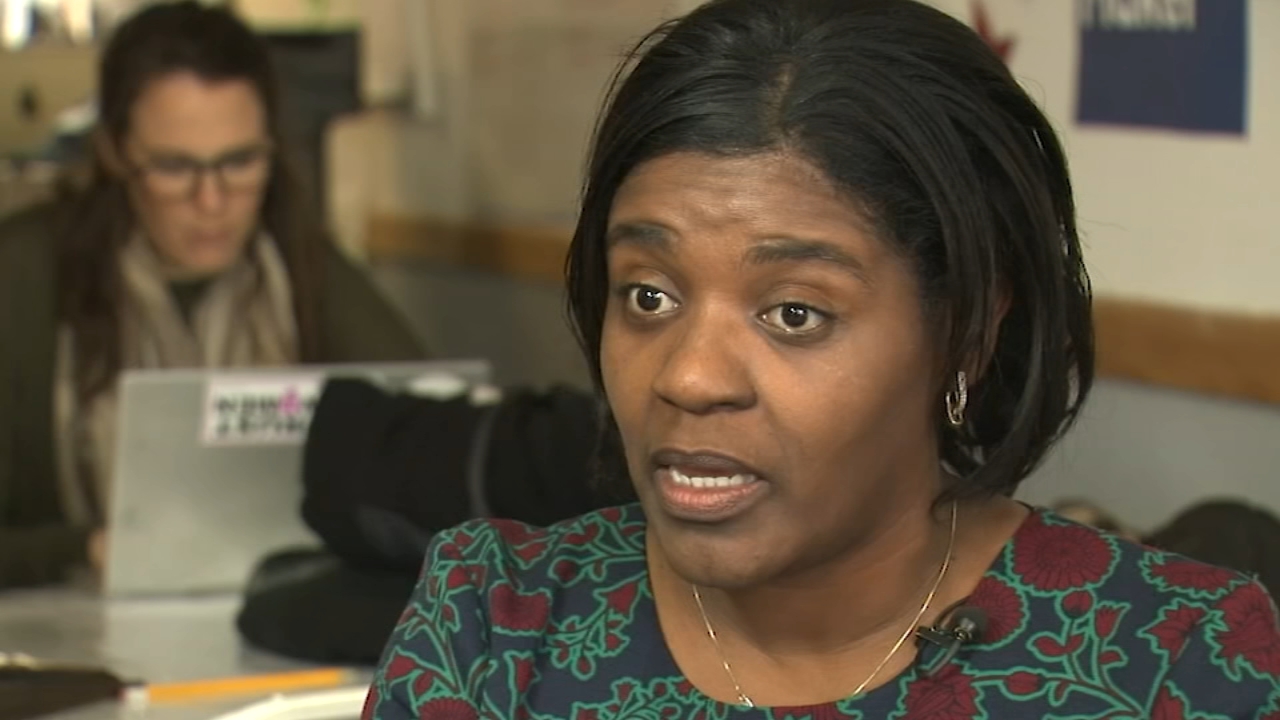
Computer error may derail political newcomer’s state house race in DuPage County

https://ift.tt/2DmVicw

NAPERVILLE, Ill. (WLS) —

An error by an embattled election commission could cost a candidate in a suburban state house race a spot on the ballot. It has also left DuPage County democrats scrambling over what to do.

It all stems from a lawsuit this week that challenged the residency status of Val Montgomery, a political newcomer, that led to her being ruled ineligible to run in the 41st District, because as it turns out she does not live in the district.

Montgomery was hoping to be part of the democrats blue wave and represent the district, which covers the heart of Naperville. She was

one of three Naperville women featured on the cover of Time magazine

and was challenging Republican incumbent Grant Wehrli. He says a few weeks ago he learned that she did not actually live in the district, and filed a lawsuit on Monday.

"The Illinois constitution has two requirements to run for office, one, you must be 21 and the second is you must live in the district for two years, it is clear that my opponent does not live in the district through no fault of her own," said State Rep. Grant Wehrli, (R) 41st District.

The DuPage County Election commission, which came under fire after ballot issues during the March primary, conceded this week that a coding error had incorrectly listed Montgomery’s subdivision in the 41st district, it is actually in the 49th.

Montgomery, who was working Friday and unavailable for an interview released a statement saying:

"Political corruption and white privilege are real and happen in too many places. The only thing I am guilty of is being a black woman in Naperville. This is not the first time a black woman in IL has run for office and suddenly issues with residency emerge."

She says she has contacted the NAACP and will fight to stay on the ballot.

The DuPage County Democratic Party said the decision will be up to Montgomery, but it is exploring options.

"So right now we’re looking for candidates in her district to see if anybody is willing to step up and have their name put on the ballot and if there is my recommendation to Val would be OK, drop out, will get somebody else on there, it’ll be clean we won’t have to worry about any lawsuit later," said Bob Pieckert, Chairman, Democratic Party of DuPage County.

Montgomery said she relied on what she now knows was the faulty DuPage County information about her residency, not the state board of elections maps. Those had the correct information about which district she lives in.

The attorney for the DuPage County Election Commission said it is ultimately up to the candidate to make sure what district they live in.

(Copyright ©2018 WLS-TV. All Rights Reserved.)

010-Inoreader Saves,00-Pol RT,19-Legal,26-Delivered,25-Working

via ABC7 Chicago

September 21, 2018 at 08:26PM

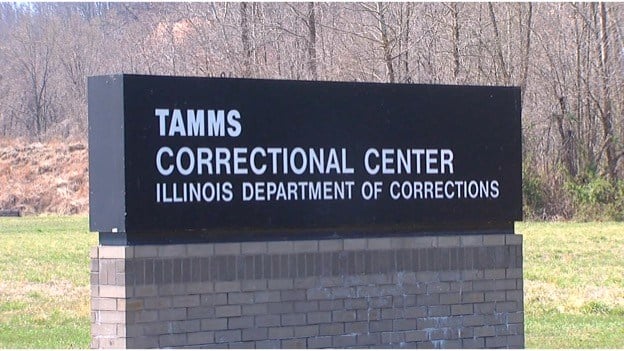
Legislative candidate calls for reopening Tamms

https://ift.tt/2PJ2SQ9

TAMMS, Ill. —  The Department of Corrections announced a new $150 million facility recently, designed to help people with mental illness.  

But that facility will be built in Joliet, several hours north, prompting a candidate for state lawmaker to ask,"Why not Tamms?"

Marsha Griffin, a Democrat running for Illinois’ 115th District, said Tamms could easily be repurposed and reopened to help inmates with mental disabilities.

"The decision to build a new facility (in Joliet)… is not only fiscally irresponsible, but shows the governor’s ignorance about the economic situation in Southern Illinois," Griffin said. "We need jobs, and there is a facility that could easily be opened and repurposed currently sitting vacant."

She said southern Illinois needs the jobs, something officials from Tamms have been saying for years.

Lamar Houston, assistant mayor for the village of Tamms, has lived there all his life.

He remembers the excitement about the Tamms Supermax Prison before it was built in the 90s.

"And then all at once, it left," Houston said. "And it left the city with it. It left us with nothing."

Former Gov. Pat Quinn announced the closure of Tamms in 2012, angering several southern Illinois politicians.

Griffin’s plea to Gov. Rauner isn’t anything new, and her opponent, State Rep. Terri Bryant (R-Murphysboro), has also called for the prison to be reopened.

"Well, it’s always going to be a hot topic when you have a facility such as the one we have here and as much money is being spent there," Houston said.

Despite closing for budgetary reasons, Illinois still spends $750,000 per year on Tamms, covering utilities, maintenance and guards.

Several groups also wanted to see Tamms closed because of inhumane conditions.

Houston said no one thought about the closure’s impact on the village.

"We all had high hopes that it was going to bring a few businesses into Tamms," Houston said. "And we can see our community growing rather than like it is now. We’re not able to get anything at all from the prison. We lost a lot. This city lost a lot."

Since the closure in early 2013, lawmakers have fought about the cost of reopening Tamms, but nothing ever happened.

Despite overcrowding in the state’s prisons, it doesn’t appear to be opening back up anytime soon.

010-Inoreader Saves,00-Pol RT,16-Econ,17-Energy,25-Working,26-Delivered

via – WSIL-TV 3 Southern Illinois

September 6, 2018 at 09:56AM

Katie Stuart continues to fight for fair funding for SIUE | RiverBender.com

https://ift.tt/2wnNccP

COLLINSVILLE – This week, state Rep. Katie Stuart joined members of the Illinois House Higher Education Committee for a public hearing at SIUE to discuss state funding for the Southern Illinois University system and allocations between the Edwardsville and Carbondale campuses.

“Student enrollment at SIUE has grown exponentially throughout the past decade, but the Edwardsville campus still only receives 36 percent of the Southern Illinois University system’s state funding,” Stuart said. “This hearing was an important opportunity for my colleagues in the legislature to hear from the Edwardsville community and understand how this funding disparity is hurting the students, the faculty and our local economy.”

As a former educator at SIUE, Stuart has been leading the charge to bring fair funding to the Edwardsville campus. She has been calling for the Illinois State Board of Higher Education to conduct an independent study of the SIU Board of Trustees to review the allocation of state funds between the two campuses.

“SIUE has grown to be a major economic engine for the Metro East, not only for the students, but for all residents of the region and it’s time for the distribution of state funding to reflect that growth,” Stuart said. “I will continue fighting to bring fair funding to Edwardsville because I know that it’s the right thing to do for our community.”

Print Version

Submit a News Tip

010-Inoreader Saves,00-Pol RT,12-Coll,16-Econ,25-Working,26-Delivered,HE Blog

via RiverBender.com

August 23, 2018 at 10:21PM

Katie Stuart continues to fight for fair funding for SIUE | RiverBender.com

https://ift.tt/2wnNccP

COLLINSVILLE – This week, state Rep. Katie Stuart joined members of the Illinois House Higher Education Committee for a public hearing at SIUE to discuss state funding for the Southern Illinois University system and allocations between the Edwardsville and Carbondale campuses.

“Student enrollment at SIUE has grown exponentially throughout the past decade, but the Edwardsville campus still only receives 36 percent of the Southern Illinois University system’s state funding,” Stuart said. “This hearing was an important opportunity for my colleagues in the legislature to hear from the Edwardsville community and understand how this funding disparity is hurting the students, the faculty and our local economy.”

As a former educator at SIUE, Stuart has been leading the charge to bring fair funding to the Edwardsville campus. She has been calling for the Illinois State Board of Higher Education to conduct an independent study of the SIU Board of Trustees to review the allocation of state funds between the two campuses.

“SIUE has grown to be a major economic engine for the Metro East, not only for the students, but for all residents of the region and it’s time for the distribution of state funding to reflect that growth,” Stuart said. “I will continue fighting to bring fair funding to Edwardsville because I know that it’s the right thing to do for our community.”

Print Version

Submit a News Tip

010-Inoreader Saves,00-Pol RT,12-Coll,16-Econ,25-Working,26-Delivered,HE Blog

via RiverBender.com

August 23, 2018 at 10:21PM

Elgin leaders already concerned about citizenship question on 2020 census

https://ift.tt/2Byq15t

Though the count is still two years away, Elgin officials and civic leaders are concerned a citizenship question on the 2020 U.S. census could dissuade some residents from responding and hurt the tally’s accuracy.

Illinois State Rep. Anna Moeller (D-Elgin) said one of the big concerns is a question the Donald Trump administration plans to have on the form that would ask for the citizenship status of household members.

“This is purely politically motivated, and the Census Bureau itself has said this is not good public policy,” Moeller said during a panel discussion this month at the Gail Borden Public Library.

The census, taken every 10 years, helps determine how federal dollars are allocated at the local level.

“It is critical that every voice is heard, so that the count can truly capture the demographic representation of Elgin. Any misrepresentation could mean fewer federal dollars to support essential programs, including but not limited to housing, mental health and infrastructure,” Elgin Communications Specialist Molly Center said.

Jaime Garcia, executive director of Elgin’s Centro de Informacion, said there is a growing fear among immigrants and other groups about answering the citizenship question.

To that point, Illinois Attorney General Lisa Madigan is part of a coalition of 18 states, the District of Columbia, nine cities, four counties, and the U.S. Conference of Mayors that filed a lawsuit to block the citizenship question from being included with the 2020 census.

In a prepared statement, Madigan said, “The Census is critical to ensuring immigrants in Illinois and across the country are represented fairly and accurately.”

The lawsuit contends the federal government’s intent to ask for citizenship would depress census responses in states with large immigrant populations and threaten the fair representation of those states in Congress and the Electoral College, as well as cost those states federal funds.

Illinois lost one congressional seat after the 2010 census, bringing the state’s count to 18. The 2020 census could cost Illinois another seat or possibly two, some experts have speculated.

With funding on the line, Elgin Mayor Dave Kaptain said he wants to make sure everyone is counted. Participation in neighborhoods with a high number of Latino residents went from 50 percent in 2000 to 68 percent in 2010, Kaptain said.

“People felt more comfortable answering in 2010, but I’m afraid we might be taking a step backward this time,” Kaptain said.

Other challenges include getting a handle on the number of homeless and senior citizens, Kaptain said. Seniors are another group that might be reluctant to open the door to a census-taker or to answer a phone call.

Seniors might also be less tech-savvy, Kaptain said. The Census Bureau is hopeful most households will fill out the 2020 document online.

Kaptain said he recently attended a discussion with Census Bureau staff and believes cities will need to publicize the census and its importance. Kaptain said that could mean Elgin spending money out of its own budget on the effort.

City staff already is looking into providing city-issued lanyards to census-takers so residents know people coming to their doors are legitimate.

In 2010, the Gail Borden Public Library received a grant from the Grand Victoria Foundation to help coordinate the community census effort. Staff worked with city staff, schools and community organizations to get out the message about the census and has held discussions already about the library’s role in 2020.

“We do not know exactly what the next effort will look like yet, but we hope to contribute to making the count accurate, helping to ensure appropriate federal funding that is necessary for the community,” library public relations and communications chief Denise Raleigh said.

010-Inoreader Saves,00-Pol RT,19-Legal,E Moeller,05-Z,25-Working,26-Delivered

via Elgin Courier-News

August 21, 2018 at 09:16PM

Elgin leaders already concerned about citizenship question on 2020 census

https://ift.tt/2Byq15t

Though the count is still two years away, Elgin officials and civic leaders are concerned a citizenship question on the 2020 U.S. census could dissuade some residents from responding and hurt the tally’s accuracy.

Illinois State Rep. Anna Moeller (D-Elgin) said one of the big concerns is a question the Donald Trump administration plans to have on the form that would ask for the citizenship status of household members.

“This is purely politically motivated, and the Census Bureau itself has said this is not good public policy,” Moeller said during a panel discussion this month at the Gail Borden Public Library.

The census, taken every 10 years, helps determine how federal dollars are allocated at the local level.

“It is critical that every voice is heard, so that the count can truly capture the demographic representation of Elgin. Any misrepresentation could mean fewer federal dollars to support essential programs, including but not limited to housing, mental health and infrastructure,” Elgin Communications Specialist Molly Center said.

Jaime Garcia, executive director of Elgin’s Centro de Informacion, said there is a growing fear among immigrants and other groups about answering the citizenship question.

To that point, Illinois Attorney General Lisa Madigan is part of a coalition of 18 states, the District of Columbia, nine cities, four counties, and the U.S. Conference of Mayors that filed a lawsuit to block the citizenship question from being included with the 2020 census.

In a prepared statement, Madigan said, “The Census is critical to ensuring immigrants in Illinois and across the country are represented fairly and accurately.”

The lawsuit contends the federal government’s intent to ask for citizenship would depress census responses in states with large immigrant populations and threaten the fair representation of those states in Congress and the Electoral College, as well as cost those states federal funds.

Illinois lost one congressional seat after the 2010 census, bringing the state’s count to 18. The 2020 census could cost Illinois another seat or possibly two, some experts have speculated.

With funding on the line, Elgin Mayor Dave Kaptain said he wants to make sure everyone is counted. Participation in neighborhoods with a high number of Latino residents went from 50 percent in 2000 to 68 percent in 2010, Kaptain said.

“People felt more comfortable answering in 2010, but I’m afraid we might be taking a step backward this time,” Kaptain said.

Other challenges include getting a handle on the number of homeless and senior citizens, Kaptain said. Seniors are another group that might be reluctant to open the door to a census-taker or to answer a phone call.

Seniors might also be less tech-savvy, Kaptain said. The Census Bureau is hopeful most households will fill out the 2020 document online.

Kaptain said he recently attended a discussion with Census Bureau staff and believes cities will need to publicize the census and its importance. Kaptain said that could mean Elgin spending money out of its own budget on the effort.

City staff already is looking into providing city-issued lanyards to census-takers so residents know people coming to their doors are legitimate.

In 2010, the Gail Borden Public Library received a grant from the Grand Victoria Foundation to help coordinate the community census effort. Staff worked with city staff, schools and community organizations to get out the message about the census and has held discussions already about the library’s role in 2020.

“We do not know exactly what the next effort will look like yet, but we hope to contribute to making the count accurate, helping to ensure appropriate federal funding that is necessary for the community,” library public relations and communications chief Denise Raleigh said.

010-Inoreader Saves,00-Pol RT,19-Legal,E Moeller,05-Z,25-Working,26-Delivered

via Elgin Courier-News

August 21, 2018 at 09:16PM

Local state lawmakers pushing for sweeping new punishments in Fentanyl-related cases | RiverBender.com

https://ift.tt/2vW55QO

GRANITE CITY – Three members of the Illinois General Assembly spoke at the Granite City City Hall today in order to announce a legislative package hoping to protect first responders from the potent and often deadly effects of the drug, Fentanyl.

Fentanyl is a synthesized opiate, which is currently killing more people in Madison County than heroin, Madison County Coroner Stephen P. Nonn, who was also at the announcement, said. It was found in a Brooklyn, Illinois, night club last month and contact with it sent multiple police and EMTs to area hospitals with side effects of merely coming into contact with the drug. Fentanyl is powerful enough to harm through simple skin contact or inhaling minuscule amounts of it.

Because of that early morning incident, State Rep. Monica Bristow (D-Alton), joined with State Rep. Katie Stuart (D-Collinsville) and Jay Hoffman (D-Highland) to announce new legislation hoping to increase penalties for those using and dealing Fentanyl in cases involving first responders coming into contact with the dangerous opioid.

“Opioid abuse is hurting our entire state, especially our area,” Bristow said. “We’re working with law enforcement and educators to help save lives. Two cops and an EMT were exposed to Fentanyl at a Brooklyn night club and had to be treated for it. We owe it to them to grant them more safety while they are doing an already dangerous job.”

Called House Bill (HB) 5942, the bill, which was introduced by Bristow today, would add to the charges incurred by exposing first responders to Fentanyl. According to the synopsis on the Illinois General Assembly’s website, HB5942 would do the following:

Provides that a person who unlawfully possesses Fentanyl commits reckless endangerment of a first responder by Fentanyl exposure if he or she, by any means, lawful or unlawful, recklessly performs an act or acts that cause a first responder bodily harm as a result of exposure or contact with Fentanyl. Provides that a person commits reckless endangerment of a first responder by Fentanyl exposure when he or she unlawfully delivers Fentanyl to another that causes bodily harm to a first responder as a result of exposure or contact with that Fentanyl. Reckless endangerment of a first responder by Fentanyl exposure is a Class 2 Felony – effective immediately.

A second bill was also filed by Bristow today in regards to Fentanyl. HB5943 would increase the sentencing enhancement for the following violations involving Fentanyl: manufacture or delivery, possession with intent to manufacture or deliver, a controlled substance, a counterfeit substance or controlled substance analog, controlled substance trafficking, calculated criminal drug conspiracy, criminal drug conspiracy, streetgang drug conspiracy or delivery of a controlled, counterfeit or lookalike substance to a person under 18 years of age.

HB5943 would increase sentencing enhancement for those crimes from three years to six years imprisonment. It would also modify the amount of Fentanyl required to trigger sentencing intervals.

“Throughout the Metro East, we are seeing the opioid epidemic tear apart and hurt families, and put our emergency responders at risk when they come into contact with these dangerous substances,” Stuart said in a release following the announcement. “This legislation helps protect our law enforcement officers and first responders who could be seriously harmed or injured through their service. We need to make sure that our laws are updated to not only address those that are put in harm’s way, but also to protect the brave individuals fighting to keep our community safe.”

The measure is backed by several members of local law enforcement, who were at the announcement to grant their support. Madison County Sheriff John Lakin was not able to attend, but Bristow said he gave his full support to the measure. Madison County State’s Attorney Tom Gibbons was at the announcement, however, and praised the measure, which was just today filed with the clerk in the Illinois General Assembly.

“Mexican drug cartels are flooding our communities with ever-more dangerous drugs,” he said. “As the up the ante with ever-more dangerous drugs, we have to do the same in kind to meet their force with more force. We’re talking about those who choose to do these drugs and those afflicted by addiction putting those first responders in danger, whose lives are now seriously at risk for trying to help.”

Nonn said Fentanyl has replaced heroin in recent years as far as overdose-related deaths in Madison County are concerned. He said as many as 651 people have perished as a direct result of overdose deaths in the last nine years.

In 2013, the first instances of Fentanyl deaths hit the county with only three succumbing to it and 23 dying as a result of heroin. By 2016, however, those numbers had flipped, with 2014 and 2015 having less than 10 Fentanyl-related deaths and many more related to heroin. In 2016, 45 died from Fentanyl-related overdoses and 11 died from heroin.

This year so far, no one in Madison County has died from heroin alone and 31 people have already succumbed to Fentanyl alone or a cocktail of drugs including it.

Reporter Cory Davenport can be reached via call or text at (618) 419-3046 or via email at cory@riverbender.com

Purchase photos from this article

Print Version

Submit a News Tip

010-Inoreader Saves,00-Pol RT,25-Working,26-Delivered

via RiverBender.com

August 18, 2018 at 02:38PM

Local state lawmakers pushing for sweeping new punishments in Fentanyl-related cases | RiverBender.com

https://ift.tt/2vW55QO

GRANITE CITY – Three members of the Illinois General Assembly spoke at the Granite City City Hall today in order to announce a legislative package hoping to protect first responders from the potent and often deadly effects of the drug, Fentanyl.

Fentanyl is a synthesized opiate, which is currently killing more people in Madison County than heroin, Madison County Coroner Stephen P. Nonn, who was also at the announcement, said. It was found in a Brooklyn, Illinois, night club last month and contact with it sent multiple police and EMTs to area hospitals with side effects of merely coming into contact with the drug. Fentanyl is powerful enough to harm through simple skin contact or inhaling minuscule amounts of it.

Because of that early morning incident, State Rep. Monica Bristow (D-Alton), joined with State Rep. Katie Stuart (D-Collinsville) and Jay Hoffman (D-Highland) to announce new legislation hoping to increase penalties for those using and dealing Fentanyl in cases involving first responders coming into contact with the dangerous opioid.

“Opioid abuse is hurting our entire state, especially our area,” Bristow said. “We’re working with law enforcement and educators to help save lives. Two cops and an EMT were exposed to Fentanyl at a Brooklyn night club and had to be treated for it. We owe it to them to grant them more safety while they are doing an already dangerous job.”

Called House Bill (HB) 5942, the bill, which was introduced by Bristow today, would add to the charges incurred by exposing first responders to Fentanyl. According to the synopsis on the Illinois General Assembly’s website, HB5942 would do the following:

Provides that a person who unlawfully possesses Fentanyl commits reckless endangerment of a first responder by Fentanyl exposure if he or she, by any means, lawful or unlawful, recklessly performs an act or acts that cause a first responder bodily harm as a result of exposure or contact with Fentanyl. Provides that a person commits reckless endangerment of a first responder by Fentanyl exposure when he or she unlawfully delivers Fentanyl to another that causes bodily harm to a first responder as a result of exposure or contact with that Fentanyl. Reckless endangerment of a first responder by Fentanyl exposure is a Class 2 Felony – effective immediately.

A second bill was also filed by Bristow today in regards to Fentanyl. HB5943 would increase the sentencing enhancement for the following violations involving Fentanyl: manufacture or delivery, possession with intent to manufacture or deliver, a controlled substance, a counterfeit substance or controlled substance analog, controlled substance trafficking, calculated criminal drug conspiracy, criminal drug conspiracy, streetgang drug conspiracy or delivery of a controlled, counterfeit or lookalike substance to a person under 18 years of age.

HB5943 would increase sentencing enhancement for those crimes from three years to six years imprisonment. It would also modify the amount of Fentanyl required to trigger sentencing intervals.

“Throughout the Metro East, we are seeing the opioid epidemic tear apart and hurt families, and put our emergency responders at risk when they come into contact with these dangerous substances,” Stuart said in a release following the announcement. “This legislation helps protect our law enforcement officers and first responders who could be seriously harmed or injured through their service. We need to make sure that our laws are updated to not only address those that are put in harm’s way, but also to protect the brave individuals fighting to keep our community safe.”

The measure is backed by several members of local law enforcement, who were at the announcement to grant their support. Madison County Sheriff John Lakin was not able to attend, but Bristow said he gave his full support to the measure. Madison County State’s Attorney Tom Gibbons was at the announcement, however, and praised the measure, which was just today filed with the clerk in the Illinois General Assembly.

“Mexican drug cartels are flooding our communities with ever-more dangerous drugs,” he said. “As the up the ante with ever-more dangerous drugs, we have to do the same in kind to meet their force with more force. We’re talking about those who choose to do these drugs and those afflicted by addiction putting those first responders in danger, whose lives are now seriously at risk for trying to help.”

Nonn said Fentanyl has replaced heroin in recent years as far as overdose-related deaths in Madison County are concerned. He said as many as 651 people have perished as a direct result of overdose deaths in the last nine years.

In 2013, the first instances of Fentanyl deaths hit the county with only three succumbing to it and 23 dying as a result of heroin. By 2016, however, those numbers had flipped, with 2014 and 2015 having less than 10 Fentanyl-related deaths and many more related to heroin. In 2016, 45 died from Fentanyl-related overdoses and 11 died from heroin.

This year so far, no one in Madison County has died from heroin alone and 31 people have already succumbed to Fentanyl alone or a cocktail of drugs including it.

Reporter Cory Davenport can be reached via call or text at (618) 419-3046 or via email at cory@riverbender.com

Purchase photos from this article

Print Version

Submit a News Tip

010-Inoreader Saves,00-Pol RT,25-Working,26-Delivered

via RiverBender.com

August 18, 2018 at 02:38PM

Blog at WordPress.com.

Up ↑