Search

Working for Illinois Caucus

House Downstate Democrats work for the good people of Illinois

Tag

25-Working

State law could address mental health during student interrogations

https://ift.tt/2SZn3Q1

A suburban state representative has proposed a law that she and her youth advisory group believe would help protect the mental stability of students during interrogations about behavior by requiring a parent or mental health professional to be there.

The proposal originated from the January 2017 death of 16-year-old Corey Walgren, a Naperville North High School student who took his life after being questioned by school officials and police about an allegation of wrongdoing.


But the attorney for Corey’s parents, Douglas and Maureen Walgren of Naperville, said the bill as written could do the opposite of protecting student mental health because of the word “or,” which could allow a mental health professional instead of a parent to be present during questioning, potentially leading to very different advice.

“I am not impressed with it at all,” attorney Terry Ekl said about House Bill 2627, which was introduced Feb. 14 and referred to the House’s rules committee. “It’s attempting to interfere with the parent-child relationship.”

84th District state Rep. Stephanie Kifowit said she and members of her Youth Citizen Advisory Council drafted the bill because Corey’s death “really rattled” Naperville-area students.

“They didn’t think it was right that he was all alone,” Kifowit said. “We never want to have that happen again.”

Kifowit, of Aurora, said the proposal she and the students created would require “a parent or mental health professional to be present for interviews in which an authority figure uses interrogation tactics against a student.”

“We need to look out for the total well-being of the student,” she said.

Waubonsie Valley High School student Jake Kelly, 17, of Aurora, feels the same way. He said he was familiar with Corey and had friends who knew him through hockey.


“We realized that if there’s nobody there to really watch out for the kid, then that’s very easy for something bad to happen,” Jake said. “For these situations where a kid is going to be getting in big trouble and the law could be involved, there needs to be somebody there to mediate.”

Ekl said that somebody should be a parent or legal guardian.

“The police and the school personnel are already required to notify the parents prior to any interrogation of a student by the police or where the police are involved,” Ekl said. “That is something that I believe Naperville North and perhaps other school districts routinely violate.”

Ekl said the proposed law’s requirement of “the presence of the student’s parent or guardian, a school social worker or a licensed mental health professional” weakens the previous mandate.

“You can see the difference in focus between a sch ool employee and a parent in terms of the best interests of the child,” Ekl said.

Corey’s parents have sued two Naperville North deans, the school resource officer, Naperville Unit District 203 and the city of Naperville, alleging they violated Corey’s rights and their questioning led to his death. A judge last month dismissed the lawsuit, but Ekl said he is in the process of appealing.

Naperville Unit District 203, in a written statement, said officials “remain confident in our staff, who serve with our students’ best interest at heart.” Naperville City Attorney Mike DiSanto, in a written statement, said “the city continues to support the officer involved” and is confident the dismissal will be affirmed.


If Kifowit’s legislative proposal becomes law, Ekl said it would not be on “solid footing” and could succumb to a legal challenge.

Kifowit said the law could help ensure there is someone to watch for students’ emotional well-being during questioning about “the most serious of situations.” Students could need mental support in more situations than adults realize, she said.

“It is extreme,” she said about the case of Corey’s death. “But then it makes you extrapolate and think about what we don’t know, like what kids are harboring depression from an interaction, or what other situations are causing great distress.”


XHLSN 3,15-Health,25-Working,26-Delivered,09-ILSN,01-All No Sub,02-Pol,19-Legal,24-ILGA,HL,HL New,RKPRS HL,XHLSN All

Feeds,News,DuPage,Region: AH,Region: Suburbs,City: Arlington Heights

via DailyHerald.com > Top News https://ift.tt/174gVno

February 25, 2019 at 05:48AM
State law could address mental health during student interrogations

https://ift.tt/2SZn3Q1

A suburban state representative has proposed a law that she and her youth advisory group believe would help protect the mental stability of students during interrogations about behavior by requiring a parent or mental health professional to be there.

The proposal originated from the January 2017 death of 16-year-old Corey Walgren, a Naperville North High School student who took his life after being questioned by school officials and police about an allegation of wrongdoing.


But the attorney for Corey’s parents, Douglas and Maureen Walgren of Naperville, said the bill as written could do the opposite of protecting student mental health because of the word “or,” which could allow a mental health professional instead of a parent to be present during questioning, potentially leading to very different advice.

“I am not impressed with it at all,” attorney Terry Ekl said about House Bill 2627, which was introduced Feb. 14 and referred to the House’s rules committee. “It’s attempting to interfere with the parent-child relationship.”

84th District state Rep. Stephanie Kifowit said she and members of her Youth Citizen Advisory Council drafted the bill because Corey’s death “really rattled” Naperville-area students.

“They didn’t think it was right that he was all alone,” Kifowit said. “We never want to have that happen again.”

Kifowit, of Aurora, said the proposal she and the students created would require “a parent or mental health professional to be present for interviews in which an authority figure uses interrogation tactics against a student.”

“We need to look out for the total well-being of the student,” she said.

Waubonsie Valley High School student Jake Kelly, 17, of Aurora, feels the same way. He said he was familiar with Corey and had friends who knew him through hockey.


“We realized that if there’s nobody there to really watch out for the kid, then that’s very easy for something bad to happen,” Jake said. “For these situations where a kid is going to be getting in big trouble and the law could be involved, there needs to be somebody there to mediate.”

Ekl said that somebody should be a parent or legal guardian.

“The police and the school personnel are already required to notify the parents prior to any interrogation of a student by the police or where the police are involved,” Ekl said. “That is something that I believe Naperville North and perhaps other school districts routinely violate.”

Ekl said the proposed law’s requirement of “the presence of the student’s parent or guardian, a school social worker or a licensed mental health professional” weakens the previous mandate.

“You can see the difference in focus between a sch ool employee and a parent in terms of the best interests of the child,” Ekl said.

Corey’s parents have sued two Naperville North deans, the school resource officer, Naperville Unit District 203 and the city of Naperville, alleging they violated Corey’s rights and their questioning led to his death. A judge last month dismissed the lawsuit, but Ekl said he is in the process of appealing.

Naperville Unit District 203, in a written statement, said officials “remain confident in our staff, who serve with our students’ best interest at heart.” Naperville City Attorney Mike DiSanto, in a written statement, said “the city continues to support the officer involved” and is confident the dismissal will be affirmed.


If Kifowit’s legislative proposal becomes law, Ekl said it would not be on “solid footing” and could succumb to a legal challenge.

Kifowit said the law could help ensure there is someone to watch for students’ emotional well-being during questioning about “the most serious of situations.” Students could need mental support in more situations than adults realize, she said.

“It is extreme,” she said about the case of Corey’s death. “But then it makes you extrapolate and think about what we don’t know, like what kids are harboring depression from an interaction, or what other situations are causing great distress.”


XHLSN 3,15-Health,25-Working,26-Delivered,09-ILSN,01-All No Sub,02-Pol,19-Legal,24-ILGA,HL,HL New,RKPRS HL,XHLSN All

Feeds,News,DuPage,Region: AH,Region: Suburbs,City: Arlington Heights

via DailyHerald.com > Top News https://ift.tt/174gVno

February 25, 2019 at 05:48AM
State law could address mental health during student interrogations

https://ift.tt/2SZn3Q1

A suburban state representative has proposed a law that she and her youth advisory group believe would help protect the mental stability of students during interrogations about behavior by requiring a parent or mental health professional to be there.

The proposal originated from the January 2017 death of 16-year-old Corey Walgren, a Naperville North High School student who took his life after being questioned by school officials and police about an allegation of wrongdoing.


But the attorney for Corey’s parents, Douglas and Maureen Walgren of Naperville, said the bill as written could do the opposite of protecting student mental health because of the word “or,” which could allow a mental health professional instead of a parent to be present during questioning, potentially leading to very different advice.

“I am not impressed with it at all,” attorney Terry Ekl said about House Bill 2627, which was introduced Feb. 14 and referred to the House’s rules committee. “It’s attempting to interfere with the parent-child relationship.”

84th District state Rep. Stephanie Kifowit said she and members of her Youth Citizen Advisory Council drafted the bill because Corey’s death “really rattled” Naperville-area students.

“They didn’t think it was right that he was all alone,” Kifowit said. “We never want to have that happen again.”

Kifowit, of Aurora, said the proposal she and the students created would require “a parent or mental health professional to be present for interviews in which an authority figure uses interrogation tactics against a student.”

“We need to look out for the total well-being of the student,” she said.

Waubonsie Valley High School student Jake Kelly, 17, of Aurora, feels the same way. He said he was familiar with Corey and had friends who knew him through hockey.


“We realized that if there’s nobody there to really watch out for the kid, then that’s very easy for something bad to happen,” Jake said. “For these situations where a kid is going to be getting in big trouble and the law could be involved, there needs to be somebody there to mediate.”

Ekl said that somebody should be a parent or legal guardian.

“The police and the school personnel are already required to notify the parents prior to any interrogation of a student by the police or where the police are involved,” Ekl said. “That is something that I believe Naperville North and perhaps other school districts routinely violate.”

Ekl said the proposed law’s requirement of “the presence of the student’s parent or guardian, a school social worker or a licensed mental health professional” weakens the previous mandate.

“You can see the difference in focus between a sch ool employee and a parent in terms of the best interests of the child,” Ekl said.

Corey’s parents have sued two Naperville North deans, the school resource officer, Naperville Unit District 203 and the city of Naperville, alleging they violated Corey’s rights and their questioning led to his death. A judge last month dismissed the lawsuit, but Ekl said he is in the process of appealing.

Naperville Unit District 203, in a written statement, said officials “remain confident in our staff, who serve with our students’ best interest at heart.” Naperville City Attorney Mike DiSanto, in a written statement, said “the city continues to support the officer involved” and is confident the dismissal will be affirmed.


If Kifowit’s legislative proposal becomes law, Ekl said it would not be on “solid footing” and could succumb to a legal challenge.

Kifowit said the law could help ensure there is someone to watch for students’ emotional well-being during questioning about “the most serious of situations.” Students could need mental support in more situations than adults realize, she said.

“It is extreme,” she said about the case of Corey’s death. “But then it makes you extrapolate and think about what we don’t know, like what kids are harboring depression from an interaction, or what other situations are causing great distress.”


01-All No Sub,02-Pol,09-ILSN,15-Health,19-Legal,24-ILGA,25-Working,26-Delivered,XHLSN 3,HL,HL New,RKPRS HL,XHLSN All

Feeds,News,DuPage,Region: AH,Region: Suburbs,City: Arlington Heights

via DailyHerald.com > Top News https://ift.tt/174gVno

February 25, 2019 at 05:48AM

State Rep. Lance Yednock gives reaction to Gov. J.B Pritzker’s budget address

https://ift.tt/2Slv6l3

State Rep. Lance Yednock gives reaction to Gov. J.B Pritzker’s budget address

Illinois State Capitol Building- Springfield – Studstill Media Photo

OTTAWA – State Rep. Lance Yednock gave his reactions to Gov. J.B Pritzker’s budget address, Wednesday. Rep. Yednock says digging our state out of the financial mess left by former governors will take tough decisions and work from both parties to find solutions that put middle-class families first. In his budget address to the general assembly, Gov. Pritzker laid out options to fix the state’s budget deficit including rejecting imposing additional income, retirement and sales taxes on the middle class and instead enact a fair income tax. Pritzker says it would lift some of the tax burden off of middle income earners and instead ask the wealthiest to pay a little more.


Prizker addressed a built-in multi-billion-dollar deficit of funding for schools and universities and human services that most families rely upon and asks to put an end to hallowing out vital government services.

01-All No Sub,02-Pol,16-Econ,19-Legal,24-ILGA,25-Working,26-Delivered

Region: Northern,Feeds,News,Region: La Salle

via WSPL https://ift.tt/2Jv81bQ

February 21, 2019 at 05:50PM

State Rep. Stuart highlights her economic priorities following Gov. Pritzker’s budget address

https://ift.tt/2SPJW88

SPRINGFIELD, Ill. – After J.B. Pritzker delivered his first budget address as governor today, state Rep. Katie Stuart, D-Edwardsville, highlighted her economic priorities to help improve Illinois’ fiscal health.

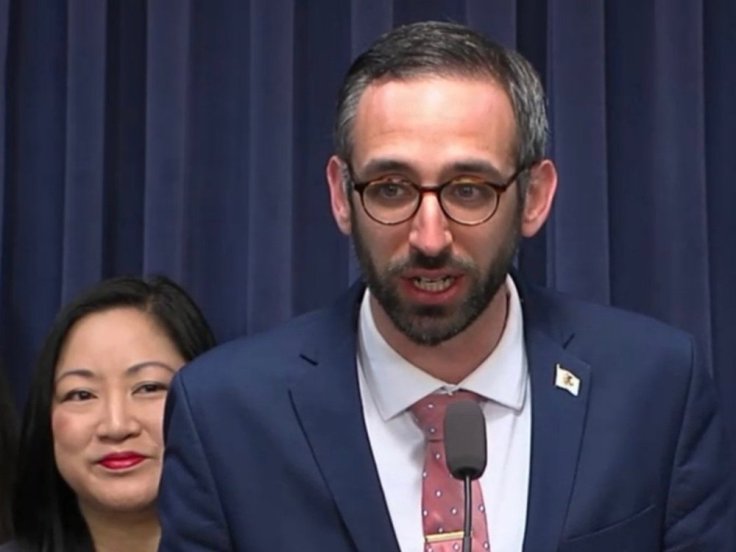
“After four years of failed leadership, it is important that as we move forward in budget negotiations we ensure everyone has a seat at the table. We need both Democrats and Republicans to be ready to compromise and do what is best for Illinois,” said Stuart. “I am ready to compromise and craft a state budget that protects essential services, and pays down the enormous backlog of unpaid bills.”

Throughout her time in Springfield, Stuart has been a strong opponent to any new taxes on middle-class families, committing to fighting proposals like a mileage tax and a retirement income tax, and she voted against the 32 percent income tax increase that took effect in 2017.

“We still have a lot to negotiate in terms of what the budget will look like. The recent proposal of implementing a mileage tax to solve the state’s budgetary woes is concerning to me, especially in the Metro East and southern Illinois where we do not have public transit options readily available. Living in a rural community often requires families to drive long distances for work, school or just to buy groceries,” continued Stuart. “Paying down the backlog of unpaid bills is one of my top priorities to get our financial house in order, but I believe we must do so by asking millionaires and billionaires to pay their fair share and responsibly controlling state spending, not by increasing taxes on those who are already struggling to make ends meet.”

For more information, contact Stuart’s full-time constituent service office at 618-365-6650.


Print Version


Submit a News Tip


01-All No Sub,02-Pol,16-Econ,19-Legal,24-ILGA,25-Working,26-Delivered

Region: Metro East,City: Alton,Feeds,News,Southern

via RiverBender.com News https://ift.tt/20GIkqu

February 20, 2019 at 03:05PM

St. Rep. Yednock joins sponsorship of bill to fight opioid addiction

http://bit.ly/2S8Jpcs

St. Rep. Lance Yednock has added his name as a sponsor to a resolution to urge the Illinois Department of Public Health to do something about painkiller addictions.

Speaking through the Illinois House Democrats press office, Yednock says opioid addiction doesn’t discriminate and so legislators shouldn’t either in coming together to fight it.

The bill, introduced in the last week of January, went to the House Prescription Drug Affordability and Accessibility Committee last week. It doesn’t tell the Department of Public Health to do anything specific, just to come up with new opioid prescription guidelines.

15-Health,01-All No Sub,02-Pol,19-Legal,24-ILGA,25-Working,26-Delivered

Region: Northern,Feeds,News,Region: La Salle

via WCMY-AM http://www.1430wcmy.com

February 19, 2019 at 08:58AM

More, better funding for mental health services proposed

http://bit.ly/2IpIvsq

SPRINGFIELD – An Illinois advocacy group is pushing legislation it says would bring $50 million in new money to state mental health services over the next four years.

According to the Illinois Coalition for Better Mental Health Care, more than 2.5 million Illinoisans have a mental health condition.

But the state ranks only 38th in the nation for mental health investment, while 82 of its 102 counties are designated as mental health professional shortage areas by the federal government.

Two lawmakers, Rep. Deb Conroy (D-Villa Park) and Sen. Heather Steans (D-Chicago), are sponsoring legislation – House Bill 2486 and Senate Bill 1673 – that would ramp up state mental health funding and change the funding structure to incentivize good results over flat service fees.

“Thousands of Illinois families … are victims of our mental health crisis,” Conroy, who heads the House Mental Health Committee, said Monday in a news release. “By creating a multiyear solution to reinvest and restructure our mental health programs with targeted, federally matched dollars, we can provide renewed hope to the millions affected.”

Most of the services targeted by the bills are Medicaid services, for which the federal government matches funding.

“The phase-in of rates that would enable growth of [mental health services] would happen slowly over a four-year period,” said Heather O’Donnell, who drafted the legislation and is vice president at Chicago-based mental health group Thresholds.

In year one, Illinois would provide $3.4 million of new funding, to be matched by the federal government. In year two, $5.7 million; in year three, $10.7 million; and in year four, $13 million.

After four years, O’Donnell said, the state would pay no more than $13 million in additional mental health funding in any given year, while the total new funding for state mental health services would reach more than $50 million with federal matching.

The state would also have to cover startup costs in years three and four, and bring additional funding to components of the bill that are not matched with federal funds.

So, although this federal matching would provide a much-needed funding boost, it is not clear where the new state money would come from.

“Preferably it would be new revenue,” O’Donnell said. “Some of it could come from the legalization of cannabis, but we are not specifying revenue sources [in the bills].”

Conroy agreed, saying “we’re all hoping for new revenue,” particularly from internet gambling and legalized marijuana.

“I know there is a commitment that some of the revenue from cannabis will go to mental health and addiction services, so that’s on the table,” Conroy said without discussing specifics. “And I do believe the commitment [to mental health and addiction] is there from the governor. He’s made it clear that’s a priority for him.”

Without specific funding plans, the bills more or less just lay groundwork for the new funding and changed payment methods.

Those changed payment methods deal with how mental health providers get money for the services they provide.

Currently, nearly all Medicaid contracts with mental health providers in Illinois are fee-for-service – the providers provide the service, and get reimbursed a specified fee.

The bills claim that this structure “allows for no innovation” in providing better services, because there is no reward for better outcomes and efficiency.

If passed, the bills would create a working group of providers, managed care organizations and state health workers, to figure out a set of metrics to “bring the regulatory structure in line with modern health care,” O’Donnell said.

These metrics would drive a new “pay-for-performance” structure, which providers could opt into each year, or opt out of after two years if they don’t like it.

Both bills await further assignments to committee.

010-Inoreader Saves,01-All No Sub,02-Pol,06-RK Email 11,15-Health,19-Legal,24-ILGA,26-Delivered,25-Working,RK Client,HL,HL New,RKPRS HL

via Effingham Daily News

February 18, 2019 at 07:42PM

More, better funding for mental health services proposed

http://bit.ly/2IpIvsq

SPRINGFIELD – An Illinois advocacy group is pushing legislation it says would bring $50 million in new money to state mental health services over the next four years.

According to the Illinois Coalition for Better Mental Health Care, more than 2.5 million Illinoisans have a mental health condition.

But the state ranks only 38th in the nation for mental health investment, while 82 of its 102 counties are designated as mental health professional shortage areas by the federal government.

Two lawmakers, Rep. Deb Conroy (D-Villa Park) and Sen. Heather Steans (D-Chicago), are sponsoring legislation – House Bill 2486 and Senate Bill 1673 – that would ramp up state mental health funding and change the funding structure to incentivize good results over flat service fees.

“Thousands of Illinois families … are victims of our mental health crisis,” Conroy, who heads the House Mental Health Committee, said Monday in a news release. “By creating a multiyear solution to reinvest and restructure our mental health programs with targeted, federally matched dollars, we can provide renewed hope to the millions affected.”

Most of the services targeted by the bills are Medicaid services, for which the federal government matches funding.

“The phase-in of rates that would enable growth of [mental health services] would happen slowly over a four-year period,” said Heather O’Donnell, who drafted the legislation and is vice president at Chicago-based mental health group Thresholds.

In year one, Illinois would provide $3.4 million of new funding, to be matched by the federal government. In year two, $5.7 million; in year three, $10.7 million; and in year four, $13 million.

After four years, O’Donnell said, the state would pay no more than $13 million in additional mental health funding in any given year, while the total new funding for state mental health services would reach more than $50 million with federal matching.

The state would also have to cover startup costs in years three and four, and bring additional funding to components of the bill that are not matched with federal funds.

So, although this federal matching would provide a much-needed funding boost, it is not clear where the new state money would come from.

“Preferably it would be new revenue,” O’Donnell said. “Some of it could come from the legalization of cannabis, but we are not specifying revenue sources [in the bills].”

Conroy agreed, saying “we’re all hoping for new revenue,” particularly from internet gambling and legalized marijuana.

“I know there is a commitment that some of the revenue from cannabis will go to mental health and addiction services, so that’s on the table,” Conroy said without discussing specifics. “And I do believe the commitment [to mental health and addiction] is there from the governor. He’s made it clear that’s a priority for him.”

Without specific funding plans, the bills more or less just lay groundwork for the new funding and changed payment methods.

Those changed payment methods deal with how mental health providers get money for the services they provide.

Currently, nearly all Medicaid contracts with mental health providers in Illinois are fee-for-service – the providers provide the service, and get reimbursed a specified fee.

The bills claim that this structure “allows for no innovation” in providing better services, because there is no reward for better outcomes and efficiency.

If passed, the bills would create a working group of providers, managed care organizations and state health workers, to figure out a set of metrics to “bring the regulatory structure in line with modern health care,” O’Donnell said.

These metrics would drive a new “pay-for-performance” structure, which providers could opt into each year, or opt out of after two years if they don’t like it.

Both bills await further assignments to committee.

010-Inoreader Saves,01-All No Sub,02-Pol,06-RK Email 11,15-Health,19-Legal,24-ILGA,26-Delivered,25-Working,RK Client,HL,HL New,RKPRS HL

via Effingham Daily News

February 18, 2019 at 07:42PM

New Progressive Caucus sets agenda

http://bit.ly/2UYw3RM

Reps. in House check off minimum wage, set sights on pot legalization, campaign finances

State Reps. Theresa Mah and Will Guzzardi at Thursday’s announcement of the Progressive Caucus. (Twitter/BlueRoomStream)

State Reps. Theresa Mah and Will Guzzardi at Thursday’s announcement of the Progressive Caucus. (Twitter/BlueRoomStream)

By Ted Cox

The new House Progressive Caucus can already check off one major achievement.

On Thursday, the 17-member Progressive Caucus formally announced its legislative agenda, capped later that day by passing its lead item: a $15-an-hour minimum wage.

To come is legalization of marijuana and a small-donor match in campaign finances.

Rep. Will Guzzardi, of Chicago, co-chairman of the new caucus, announced plans for the new legislative bloc shortly after the November general election along with Chairwomen Reps. Carol Ammons of Urbana and Theresa Mah of Chicago.

After saying they had talked with about 10 legislators about forming the caucus last spring, they stood with 14 colleagues in proclaiming the Progressive Caucus on Thursday.

“It’s a new day in Illinois, and we’re excited to lead on this bold agenda,” Guzzardi said. “By enacting these policies, and by organizing around our shared vision, we’ll be able to move our state forward and pass legislation that will transform the lives of the people of this state. I’m excited to be a part of this caucus, and to stand together with so many of my colleagues in this work.”

Legalization of recreational cannabis, with “tight regulations and sensible taxation,” will “reverse a trend of senseless incarceration for minor drug users and create economic benefits for Illinois,” according to the caucus. Rep. Kelly Cassidy of Chicago is leading that initiative.

Saying, “The influence of big-dollar donors and candidates in Illinois politics must be curbed,” the caucus is also backing what it calls a “small-donor match” in campaign finance reform. It would set aside a fund to provide matching donations up to a certain level in order to “level the playing field” with big donors and dark money.

In addition to the three chairs and Cassidy, the caucus includes officers Rep. Celina Villanueva as treasurer and Rep. Delia Ramirez as secretary, House Majority Leader Greg Harris, and member Reps. Sara Feigenholtz, Robyn Gabel, Jennifer Gong-Gershowitz, Rob Martwick, Joyce Mason, Anna Moeller, Aaron Ortiz, Lamont Robinson, Anne Stava-Murray, and Maurice West.

01-All No Sub,02-Pol,06-RK Email 11,19-Legal,24-ILGA,26-Delivered,25-Working

Feeds,Politics

via Stories – 1IL http://bit.ly/2RDSoGd

February 18, 2019 at 09:06AM

Blog at WordPress.com.

Up ↑